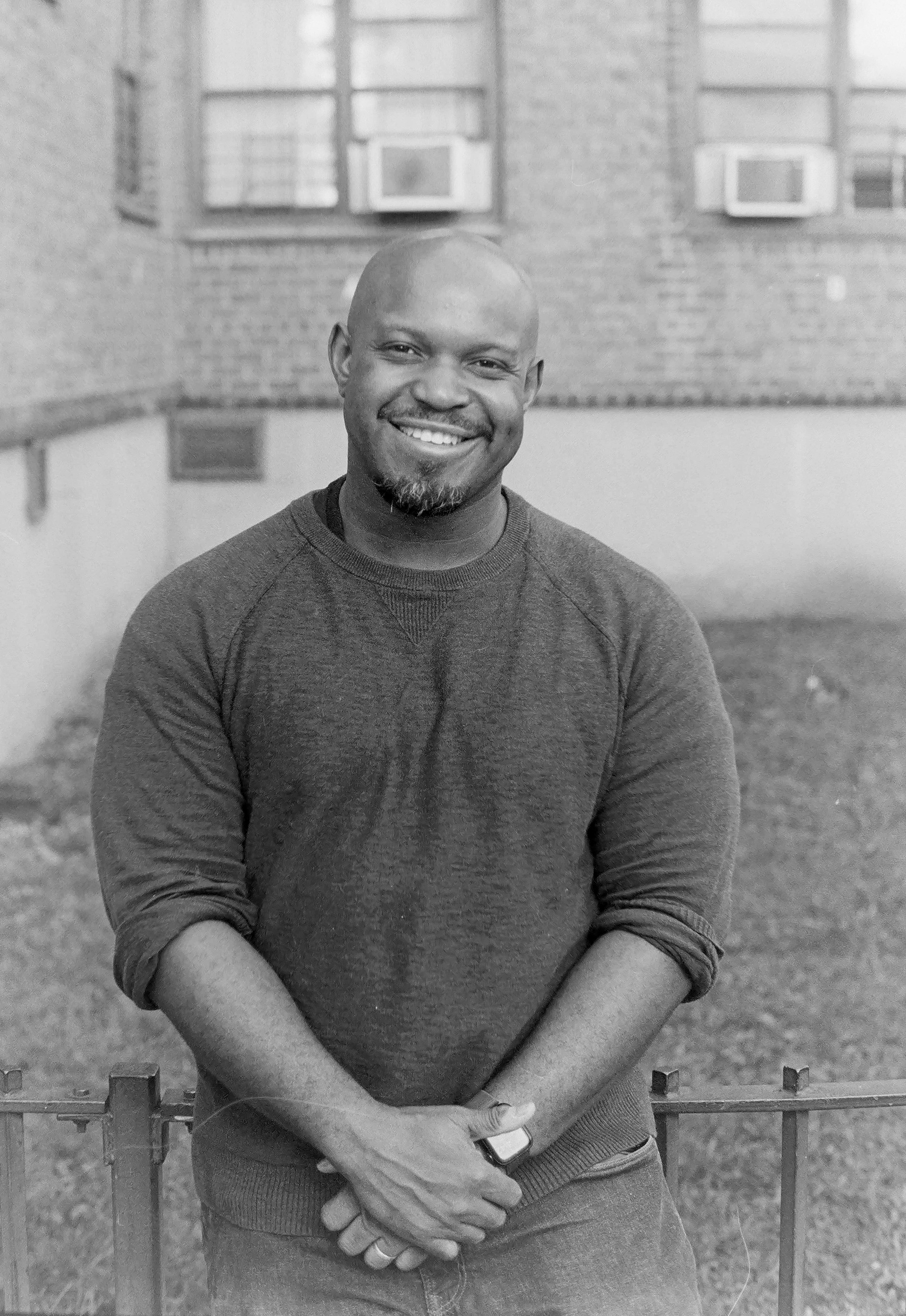
Bio
I’m Glen Knight, a New York–based photographer and tech professional. I am based in Harlem, with Bajan roots.
I began my photography journey as a street photographer and continue to work throughout the city, photographing as I move through it on both film and digital. My approach is documentary and observational, focused on capturing the essence of a scene, its emotion, energy, tension, and quiet beauty. I am drawn to the emotional weight and meaning a photograph can convey.
I fell in love with what a single image could hold, a whole emotion, a whole story, a whole moment that might otherwise disappear. I seek out the everyday, the overlooked, the quietly human. To preserve it. To document it. To tell our stories in our own way, on our own terms. If we don’t control our narratives, someone else will.
Knightvision Digital is a creative studio established to support visual storytelling through documentary work, portraiture, event coverage, and selective digital projects. I work with individuals, organizations, and communities who value warmth, authenticity, and trust. Each project is approached intentionally, with attention to context, pacing, and empathy, allowing space for nuance, connection, and stories that feel honest rather than constructed.
My work has been exhibited at AM:PM Gallery in Brooklyn as part of We Bloom Here: A Celebration of Black New Yorkers (2026)
Artist Statement
There is a profound solace in being still, in being present. I have felt that stillness manifest itself in moments such as watching leaves fall from an oak tree, a gentle kiss of a cool breeze on my cheeks as summer melts into fall, a glimmer of a child smiling as they pass on the bus, fearlessly heading towards their future. I began to further study the places I lived and loved, from Brooklyn to Harlem and beyond. I observed the moments that gave life to our community. Things like children playing, lovers stealing a moment on the subway, vendors hustling, solitude in the middle of a crowd, the things that seem ubiquitous and everyday, but also paradoxically defining. Living in these neighborhoods and seeing their evolution, particularly in the black community, my community, felt like a passage of time I had the privilege of bearing witness to. I felt the stories formed and shaped by these interactions between life and location, and I also felt more of a responsibility as a witness to document these stories. These moments that seemed to be like bubbles in space and time, delicate and ephemeral, but plentiful. If we don’t tell these stories, our truths, someone else will grasp control of that narrative.